Eight Countries. One Mission.
Each Centre is embedded within a leading national university, ensuring local ownership, proximity to policy, and the ability to engage directly with government and development partners.
EfD Ethiopia
Addis Ababa University
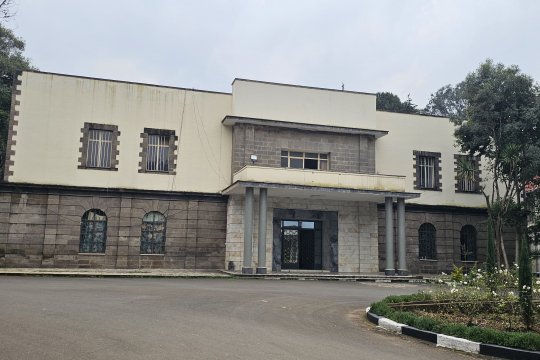
Ethiopia is one of Africa's fastest-growing economies, facing significant environmental pressures including deforestation, land degradation, and climate vulnerability across diverse agro-ecological zones.
Research themes include climate adaptation, land use and tenure policy, watershed management, energy access for rural communities, and green economy implementation under Ethiopia's Climate-Resilient Green Economy Strategy.
EfD Ghana
University of Ghana / GIMPA
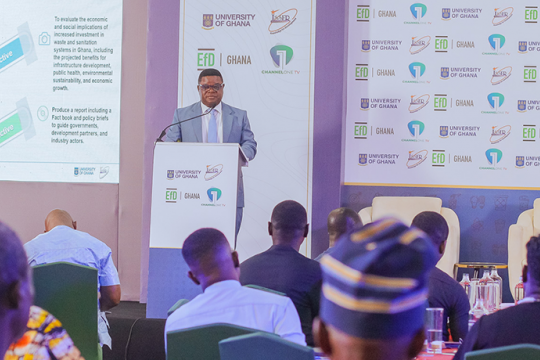
Ghana's economy is deeply tied to natural resources — from cocoa and timber to offshore oil and coastal fisheries — making environmental governance and the green transition central policy priorities.
Research focuses on fisheries management, artisanal and small-scale mining, forest governance, renewable energy policy, and the environmental impacts of urban growth and industrial development.
EfD Kenya
University of Nairobi
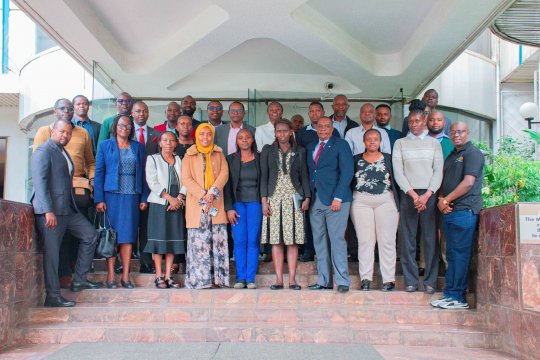
Kenya is at the forefront of Africa's green growth agenda, with ambitious renewable energy targets and growing pressure on water, land, and wildlife resources from a rapidly expanding population and economy.
Active research covers water resource economics and tariff design, agricultural policy, wildlife conservation finance, clean energy, and climate resilience for pastoral and smallholder farming communities.
EfD Nigeria
University of Nigeria, Nsukka
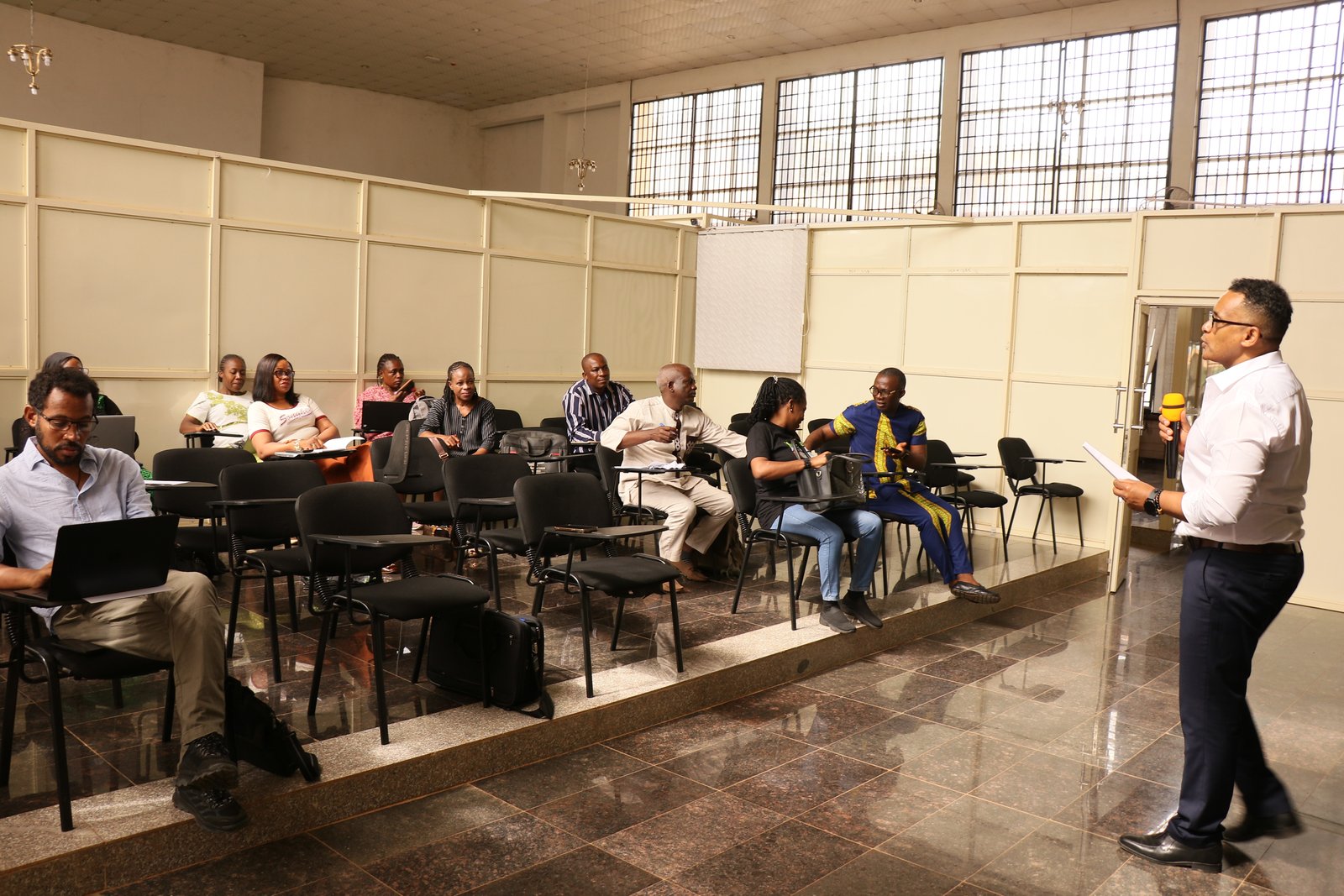
As Africa's largest economy, Nigeria faces acute environmental challenges including oil pollution, deforestation in the Niger Delta, energy poverty, and the need to diversify its economy away from fossil fuel dependence.
Research covers energy access and poverty, environmental health impacts of pollution, sustainable aquaculture, climate change adaptation in agriculture, and the governance of Nigeria's fisheries and forest resources.
EfD Rwanda
University of Rwanda
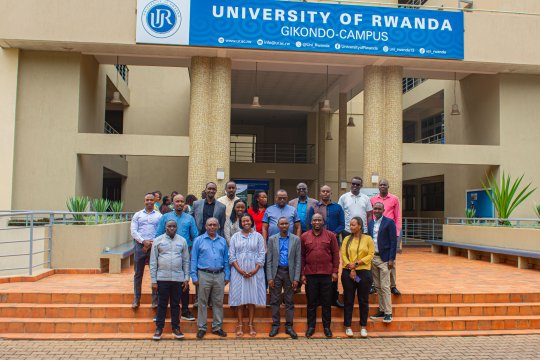
Rwanda is a regional leader in green economy policy, having implemented ambitious environmental regulations, positioned itself as a hub for climate finance, and integrated sustainability into its national development planning.
Research includes biodiversity and ecosystem valuation, Inclusive Green Economy (IGE) programme implementation, climate finance mechanisms, sustainable land use governance, and agroforestry for food security and climate resilience.
EPRU — Environmental Policy Research Unit
University of Cape Town (UCT)

South Africa is home to one of Africa's most established environmental economics research units. The country's complex development challenges — energy transition, inequality, biodiversity, and water security — make it a critical node in the EfD African Hub network.
Current research focuses on carbon tax design and implementation, energy transition policy, air quality regulation, biodiversity conservation economics, natural capital accounting, and the distributional effects of environmental policy.
EfD Tanzania
University of Dar es Salaam
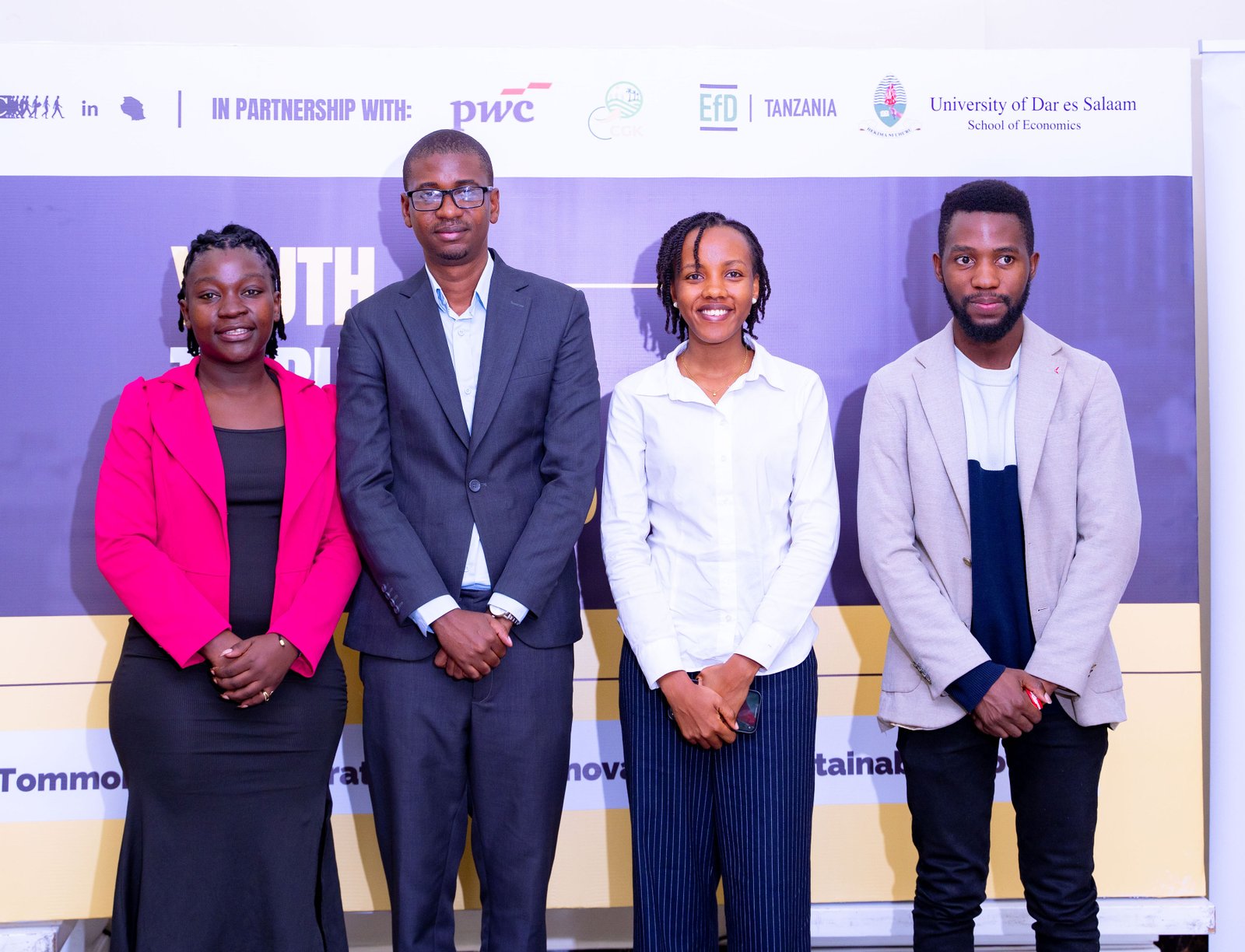
Tanzania's vast natural endowment — from the Serengeti to the Indian Ocean coast and the Great Lakes — places it at the centre of debates about conservation economics, tourism, marine resource management, and sustainable agriculture.
Active research covers fisheries economics, coastal and marine resource management, wildlife tourism policy, indigenous crops and food security, climate-smart agriculture, and youth innovation in the green economy.
EfD Uganda
Makerere University
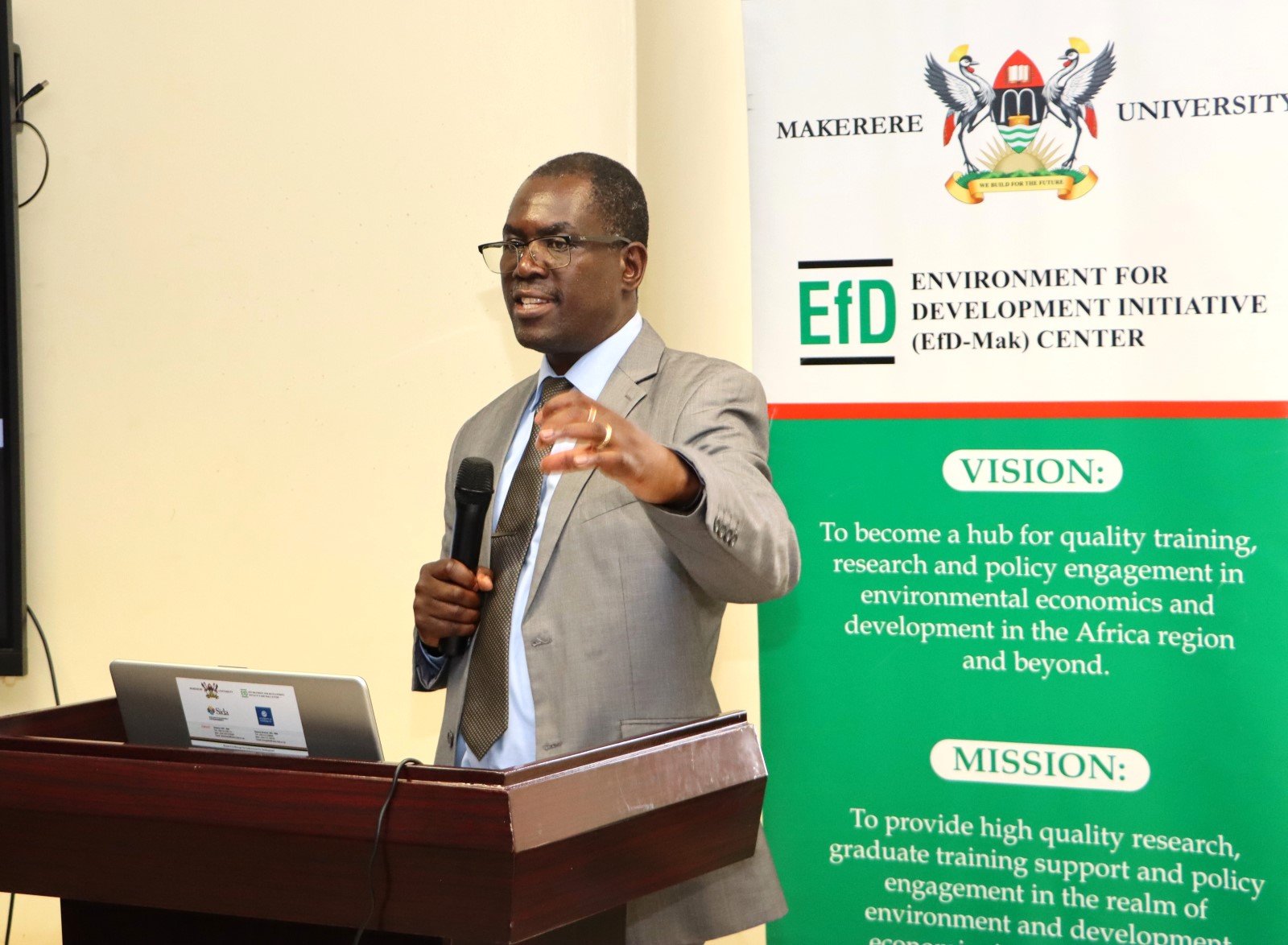
Uganda's development trajectory is shaped by its rich natural resource base — including Lake Victoria fisheries, tropical forest reserves, wetlands, and a growing oil sector — alongside rapid population growth and agricultural transformation.
Research focuses on natural capital accounting (MONCAP model), wetland and ecosystem economics, agricultural land use, fisheries governance, climate vulnerability and household welfare, and the environmental dimensions of Uganda's oil and energy sectors.