Research That Made a Difference
↗
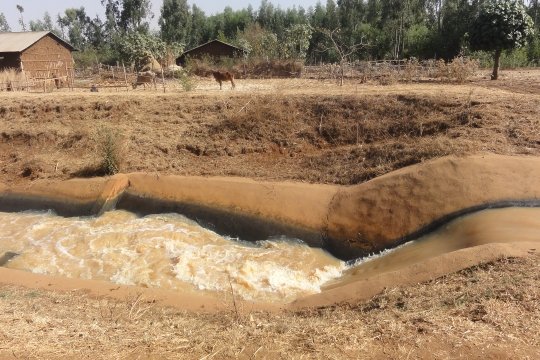
EfD Ethiopia has played a key role in supporting the implementation and monitoring of Ethiopia's Climate-Resilient Green Economy (CRGE) Strategy, helping strengthen government capacity to integrate green growth objectives into national development planning.
Strengthened government capacity to implement the CRGE Strategy and integrate green growth objectives into national development planning.
Strengthening Sustainable Fisheries Management ↗
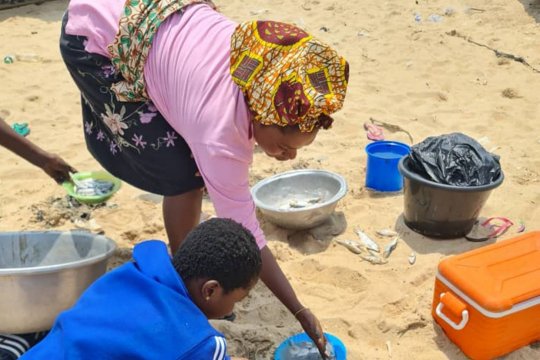
Working with EfD Nigeria, EfD Ghana helped develop Nigeria's first fisheries management plan by transferring expertise from Ghana's fisheries governance experience — demonstrating how African research partnerships can influence policy beyond national borders.
Nigeria's first fisheries management plan developed through South–South knowledge transfer with EfD Ghana.
Improving Urban Water Policy ↗
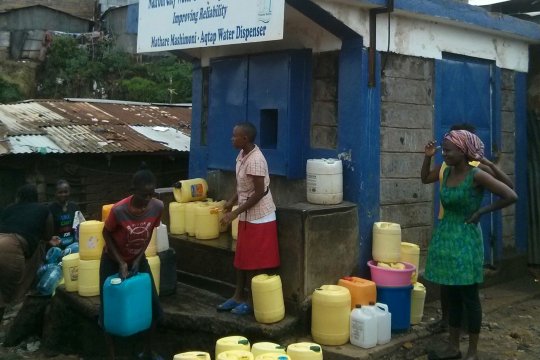
EfD Kenya's long-term collaboration with the Nairobi City Water and Sewer Company has generated research directly informing urban water management, tariff design, and investment planning in one of Africa's fastest-growing cities.
Improved urban water management, tariff design, and investment planning for Nairobi City Water and Sewer Company.
Improving Sustainable Aquaculture ↗
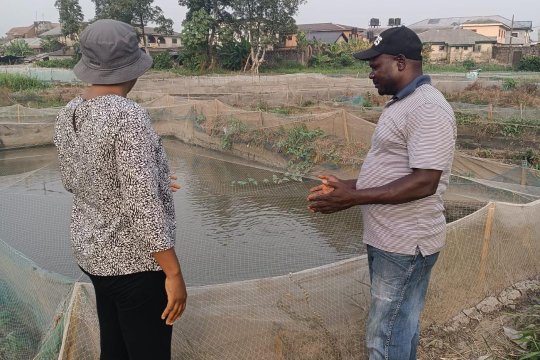
EfD Nigeria trained fish farmers in environmentally sustainable water management practices, resulting in approximately 20% higher fish yields within one year — simultaneously improving livelihoods, food security, and environmental sustainability.
Approximately 20% higher fish yields within one year, improving livelihoods, food security, and environmental sustainability.
Assessing Climate Risks in Protected Areas ↗
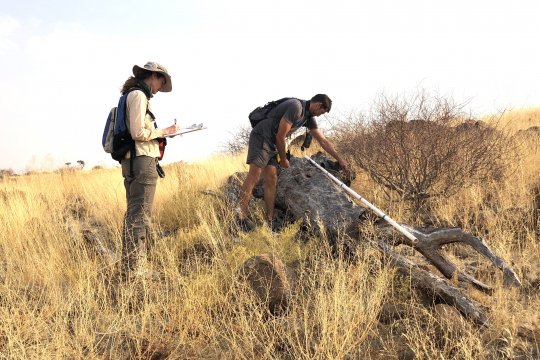
EfD South Africa developed a methodology enabling conservation agencies to assess the climate vulnerability of protected areas, helping decision-makers prioritise investments that protect biodiversity, tourism assets, and ecosystem services under a changing climate.
Conservation agencies equipped with tools to assess climate vulnerability and prioritise biodiversity investments.
Promoting Indigenous Crops for Climate Resilience ↗
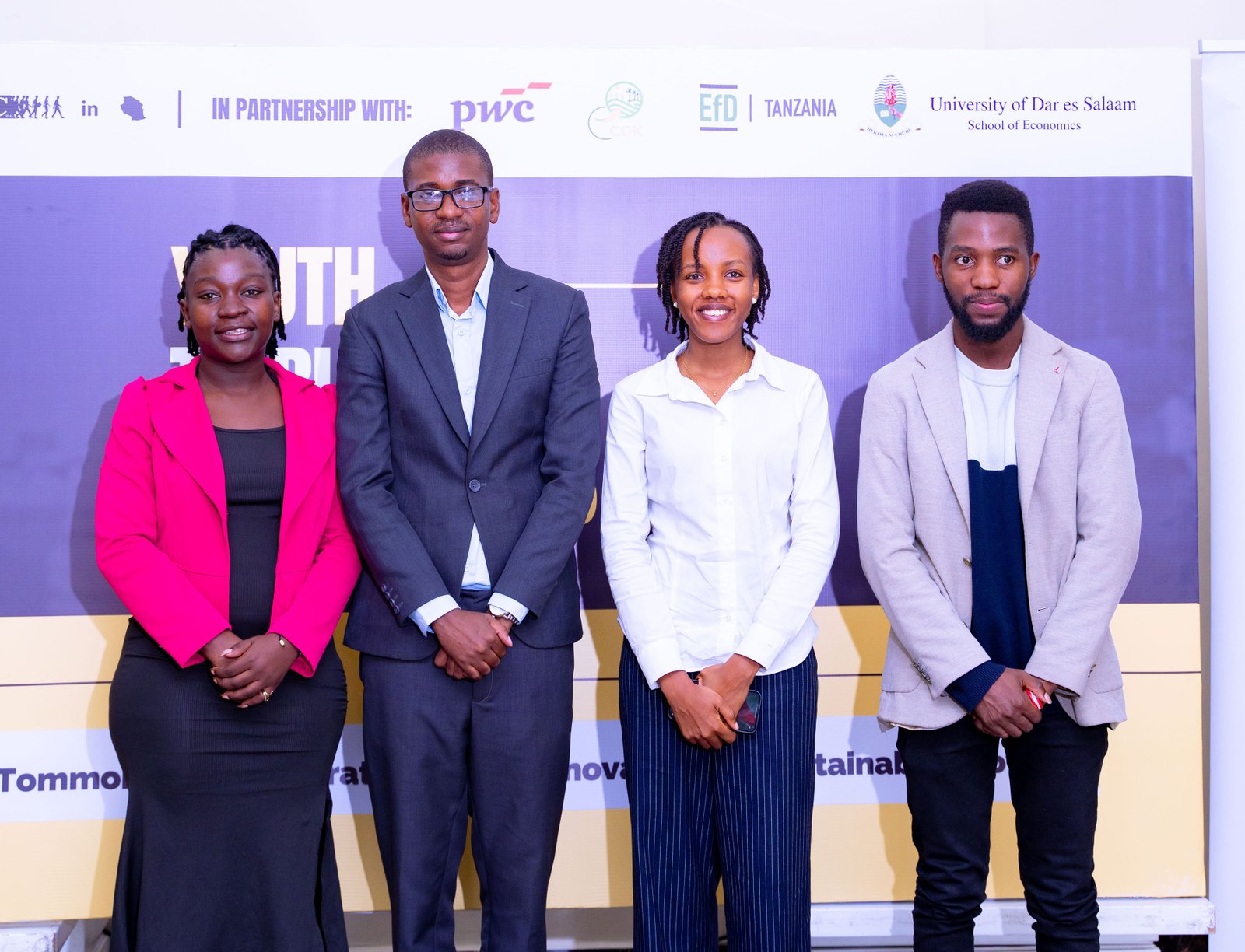
EfD Tanzania's research on indigenous crops is informing policies that strengthen food security, climate resilience, nutrition, and rural livelihoods — highlighting how traditional crops can contribute to more sustainable and resilient agricultural systems.
Policy reforms supporting indigenous crop systems adopted to strengthen food security and rural climate resilience.
Integrating Natural Capital into Economic Planning ↗
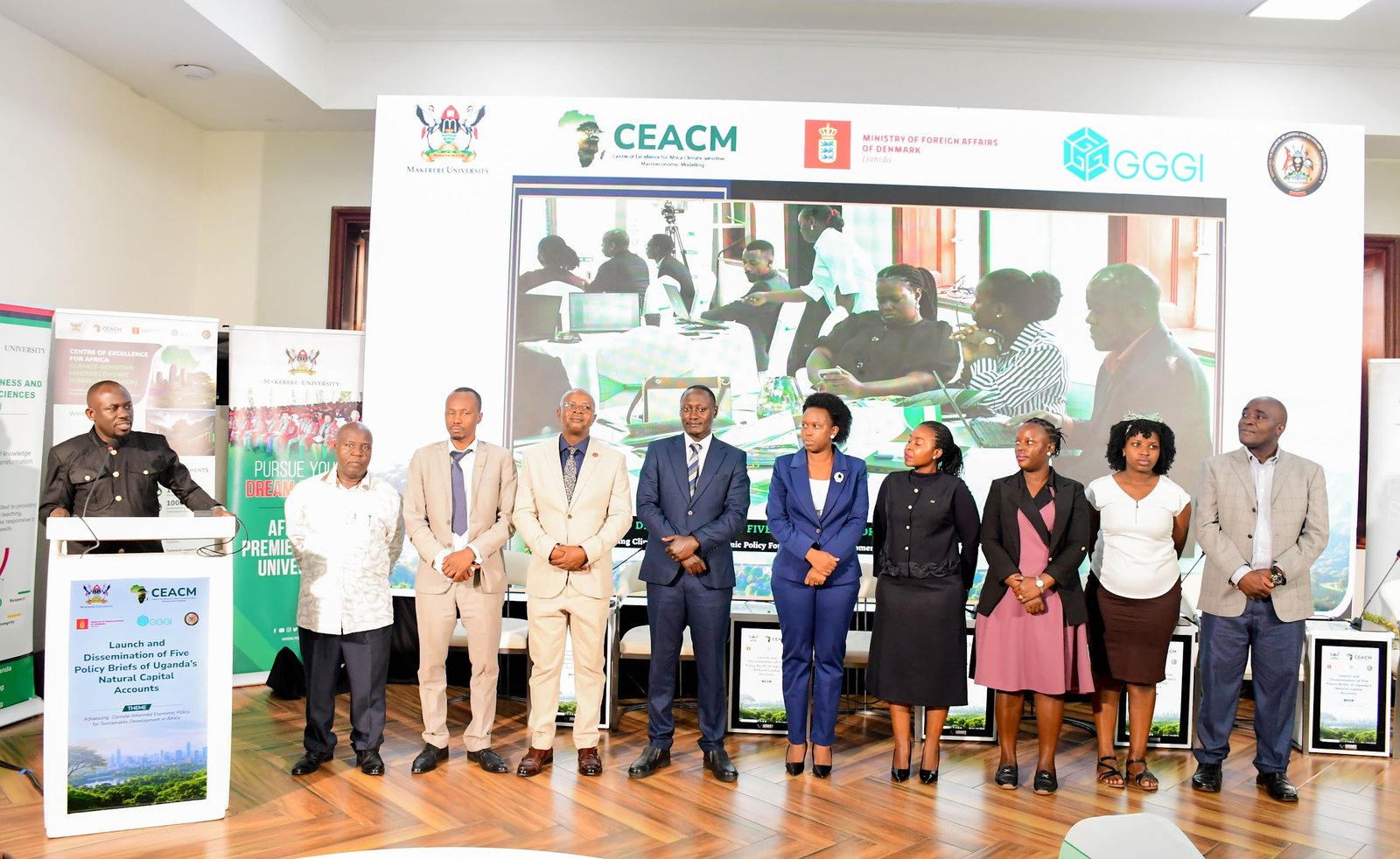
EfD Uganda developed the Model for Natural Capital Policy Assessment (MONCAP) to help government agencies incorporate natural capital into economic planning, supporting balanced development alongside sustainable management of forests, water, and biodiversity.
MONCAP adopted by government agencies to integrate natural capital into economic planning and development decisions.